Abstract visualization of an eye with a thermal color map, representing AI-powered ocular surface imaging

Precision Ocular Surface Imaging Powered by AI

Synchronized thermal and visible imaging with AI‑powered analysis.

Developed at the University of Waterloo. Protected intellectual property.

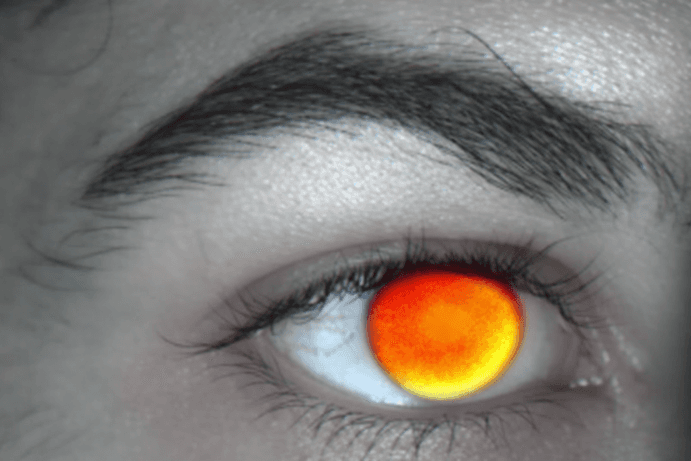
Abstract visualization of an eye with a thermal color map, representing AI-powered ocular surface imaging

Precision Ocular Surface Imaging Powered by AI

Synchronized thermal and visible imaging with AI‑powered analysis.

Developed at the University of Waterloo. Protected intellectual property.

Abstract visualization of an eye with a thermal color map, representing AI-powered ocular surface imaging
Precision Ocular Surface Imaging Powered by AI

Synchronized thermal and visible imaging with AI‑powered analysis.

Developed at the University of Waterloo. Protected intellectual property.

Why Accurate Measurement Is Challenging
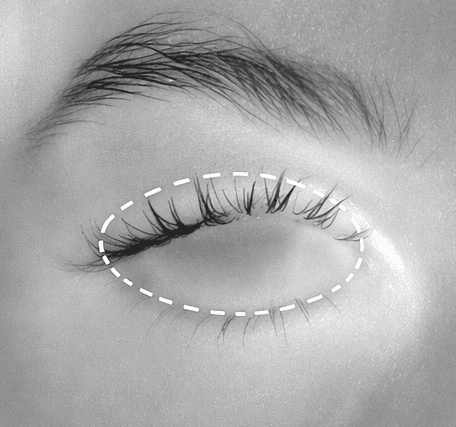
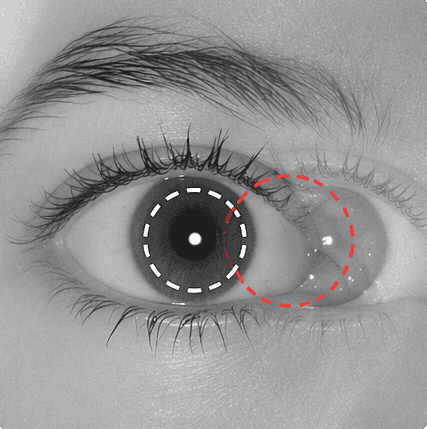
Measuring ocular surface temperature dynamics requires consistent anatomical tracking while accounting for eye movement, blinking, and transient imaging artifacts.

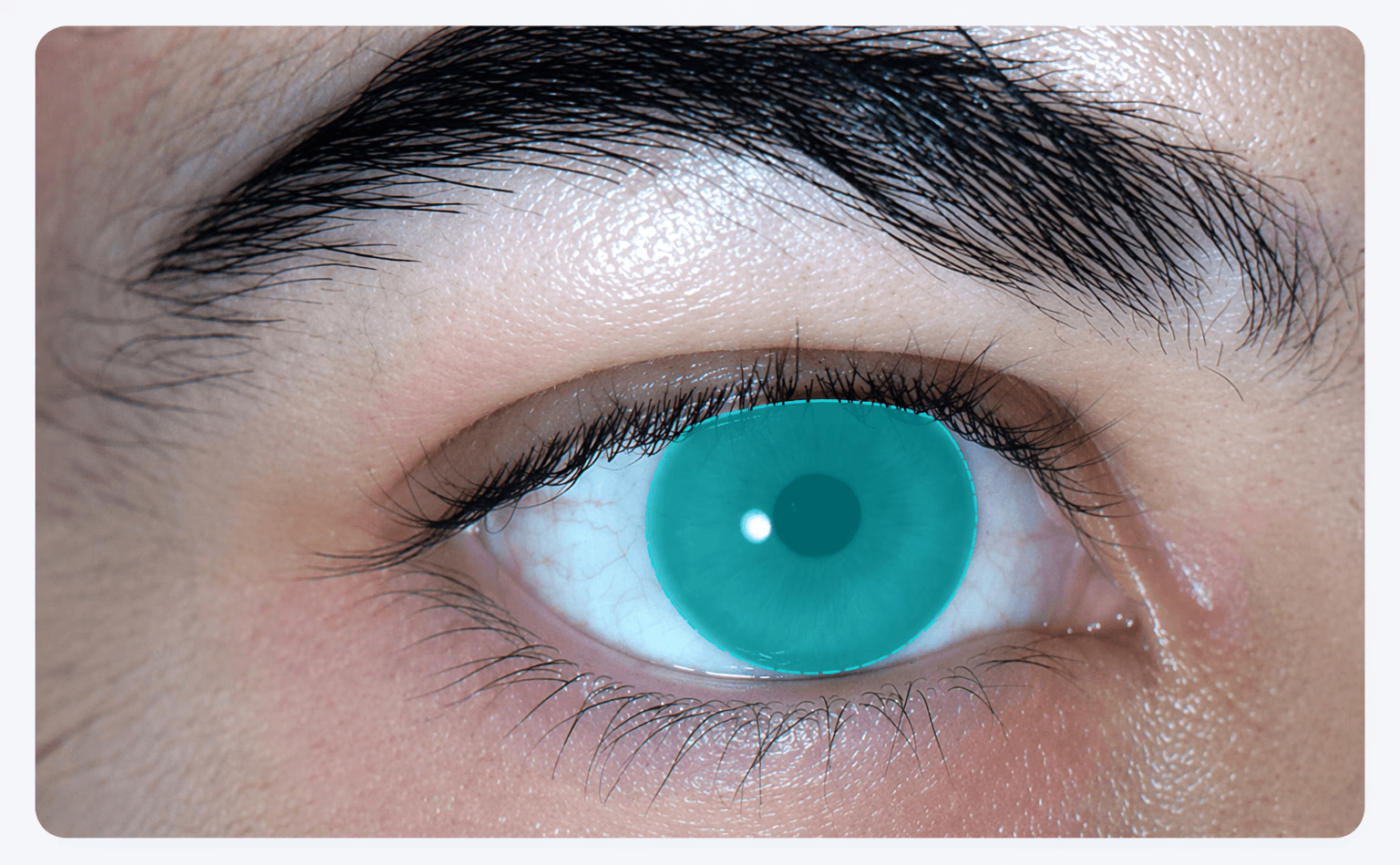
Ambiguous Corneal Boundary

The corneal edge is difficult to define in thermal images alone.

Ambiguous Corneal Boundary

The corneal edge is difficult to define in thermal images alone.

Ambiguous Corneal Boundary

The corneal edge is difficult to define in thermal images alone.

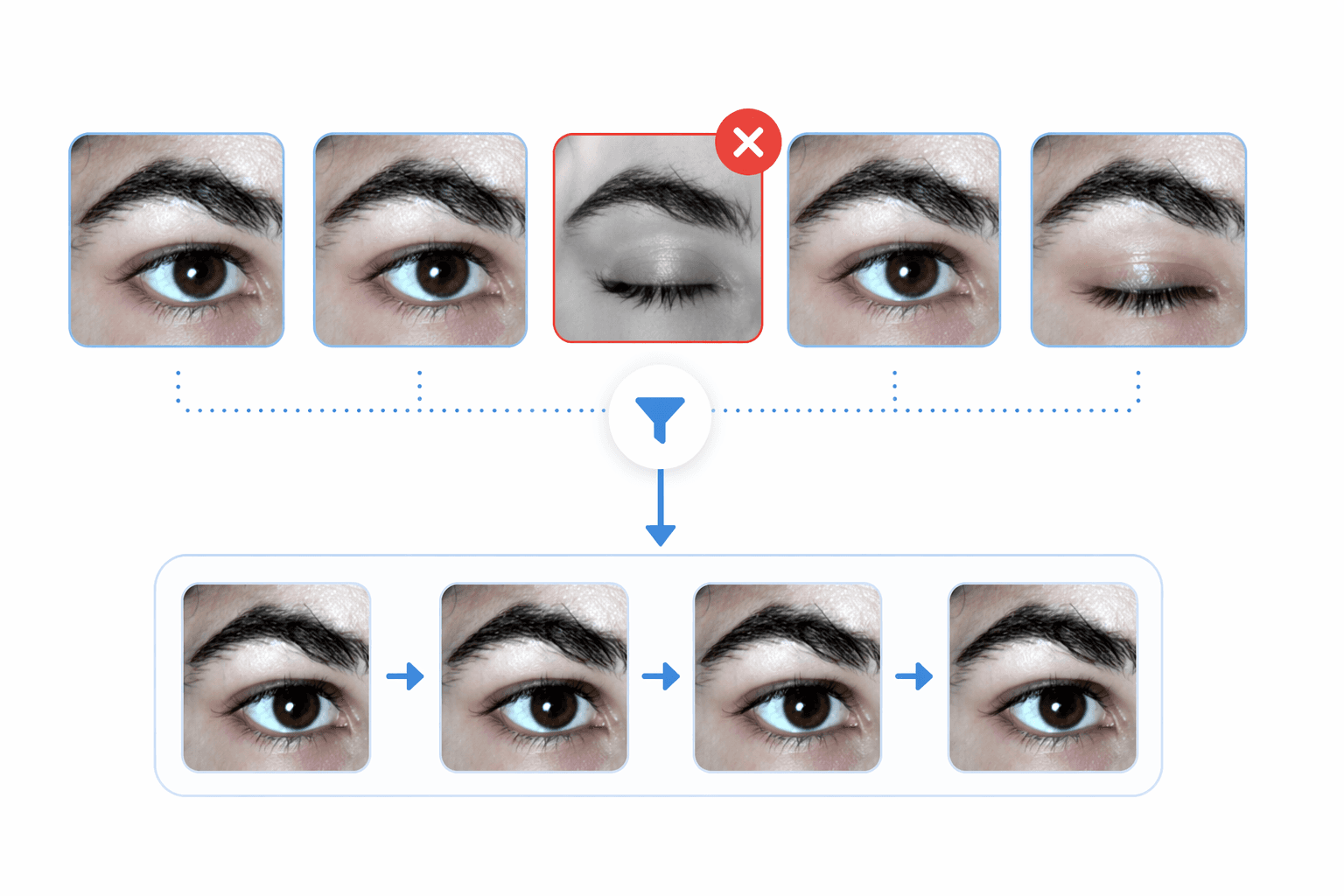
Motion-Induced Misalignment

Small eye and head movements shift the region of interest between frames.

Motion-Induced Misalignment

Small eye and head movements shift the region of interest between frames.

Motion-Induced Misalignment

Small eye and head movements shift the region of interest between frames.

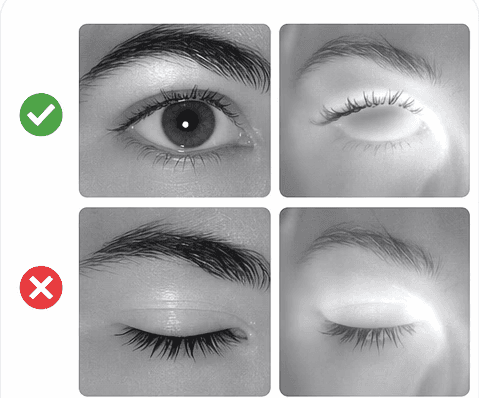
Blink-Induced Artifacts

Blinks and eyelashes interrupt temperature tracking and distort measurements.

Blink-Induced Artifacts

Blinks and eyelashes interrupt temperature tracking and distort measurements.

Blink-Induced Artifacts

Blinks and eyelashes interrupt temperature tracking and distort measurements.

Without appropriate image processing, these factors can introduce variability into temperature measurements over time.

Three Core Technical Advantages


ThermOcular combines synchronized imaging and automated analysis to improve anatomical consistency and reduce motion- and blink-related measurement artifacts.

ThermOcular combines synchronized thermal–visible imaging and automated image processing to support consistent anatomical tracking and reduce motion- and blink-related measurement artifacts.
 Image
 Image

Anatomical Segmentation

  • AI-powered segmentation identifies the corneal region

  • to support consistent temperature measurements.

Motion Compensation

  • Image registration aligns the measurement region across frames

  • to reduce the effects of eye and head movement.

 Image
 Image
 Image
 Image

Artifact Exclusion

  • Automated blink detection and frame exclusion

  • Reduce the influence of blink-related artifacts on temperature analysis.

Together, these capabilities support consistent anatomical tracking and quantitative analysis of ocular surface temperature dynamics.

Synchronized Thermal–Visible Acquisition

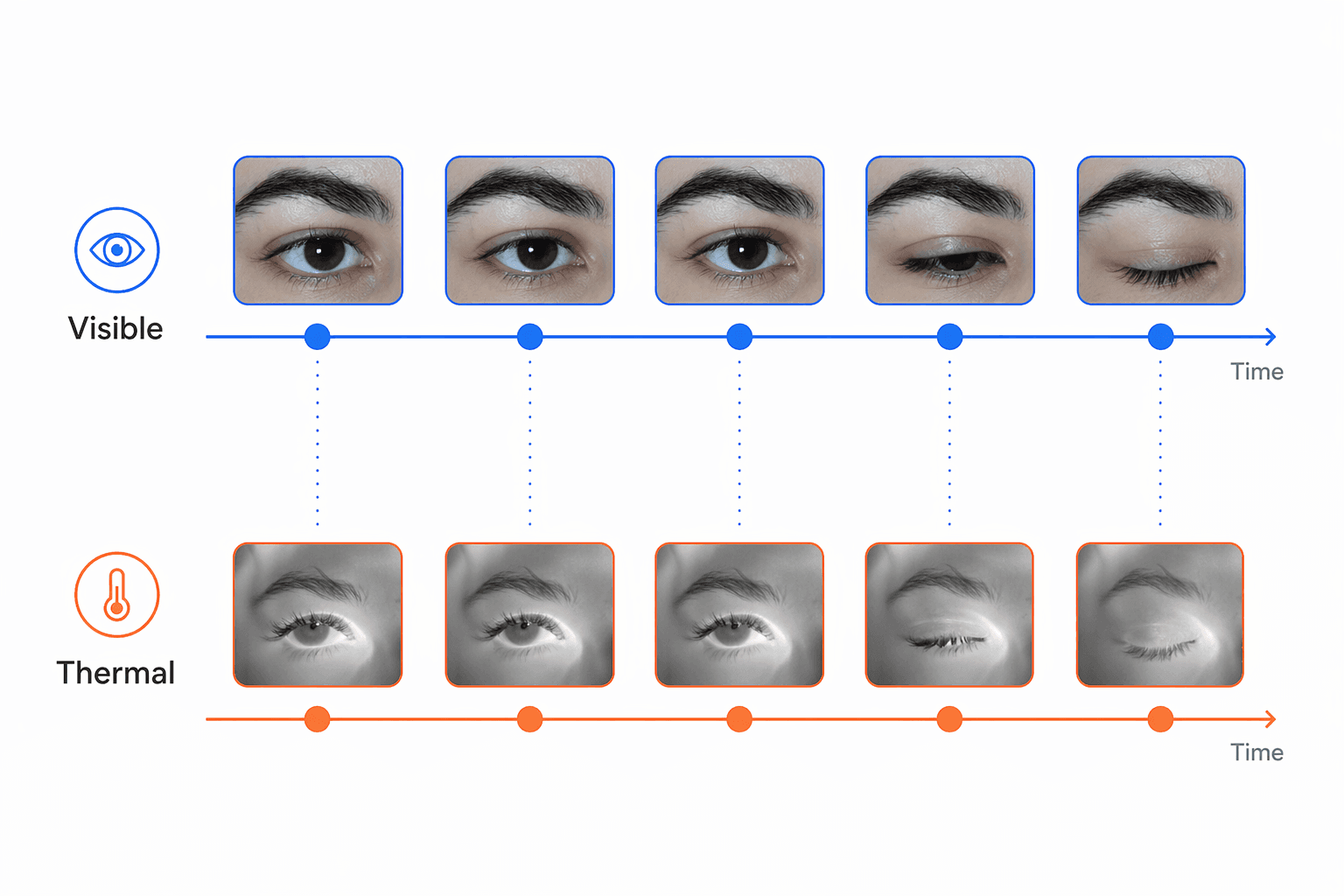
Synchronized thermal and visible cameras capture matched images of the ocular surface, so anatomical detail guides each temperature measurement.
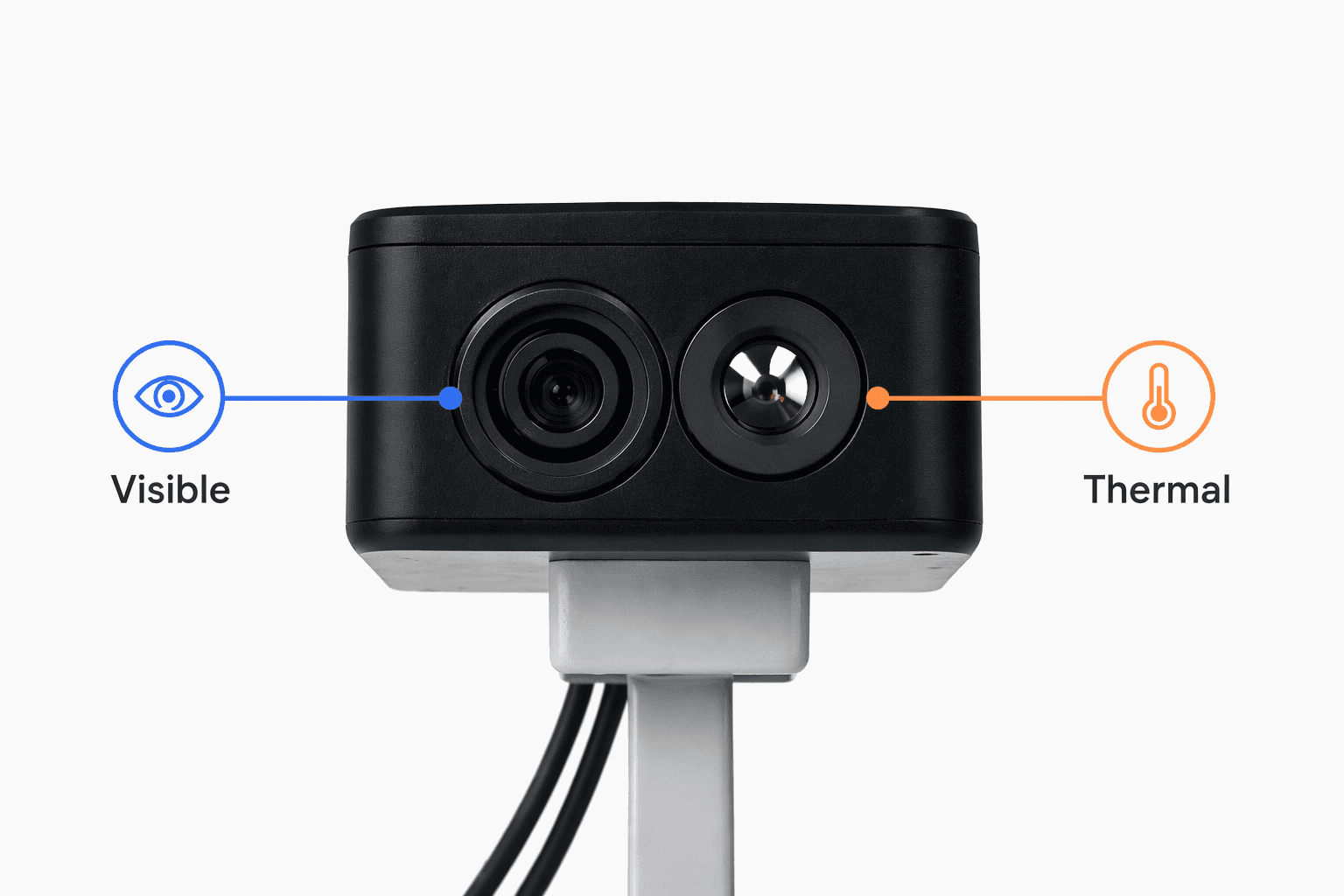
Dual-Modal Acquisition

Captures temperature and anatomy simultaneously

Dual-Modal Acquisition

Captures temperature and anatomy simultaneously

Dual-Modal Acquisition

Captures temperature and anatomy simultaneously

Frame-Level Synchronization

Supports frame-level synchronization of thermal and visible images

Frame-Level Synchronization

Supports frame-level synchronization of thermal and visible images

Frame-Level Synchronization

Supports frame-level synchronization of thermal and visible images

Cross-Modal Alignment

Maintains spatial consistency

Cross-Modal Alignment

Maintains spatial consistency

Cross-Modal Alignment

Maintains spatial consistency

Quantifying Tear Film Dynamics

ThermOcular tracks ocular surface temperature during a five-second recording after eye opening and calculates the cooling rate.

Post-Blink Temperature Tracking

Tracks temperature change after eye opening

Region-Specific Analysis

Measures cooling rate over time across selected region of the eye

Cooling Rate Extraction

Quantifies ocular surface cooling dynamics associated with tear-film behavior

Why This Matters

Why This Matters

Objective cooling measurements that complement existing clinical assessments.

Reduces the influence of motion- and blink-related artifacts

Reduces the influence of motion- and blink-related artifacts

Supports consistent anatomical tracking across frames

Supports consistent anatomical tracking across frames

Provides quantitative cooling measurements for clinician interpretation

Provides quantitative cooling measurements for clinician interpretation